Slow travel is becoming one of the most important trends influencing modern luxury vacation planning. Instead of visiting many destinations in a short period, travelers increasingly prefer spending more time in fewer places while focusing on comfort, scenery, and local experiences.
Travel industry researchers explain that experience-focused tourism continues growing because travelers now value relaxation, outdoor scenery, and cultural connections more than fast-paced itineraries. Canal routes, countryside destinations, and smaller waterfront towns have become especially popular among travelers interested in slower vacations.
Luxury Travelers Increasingly Prefer Relaxed Schedules
One major reason slow travel continues growing is changing traveler priorities. Many travelers now prefer relaxed schedules instead of vacations built around constant transportation and crowded attractions.
Tourism specialists explain that slower itineraries often create more enjoyable experiences because guests have extra time to explore destinations comfortably. Luxury travelers increasingly value flexibility and peaceful surroundings over tightly scheduled tourism activities.
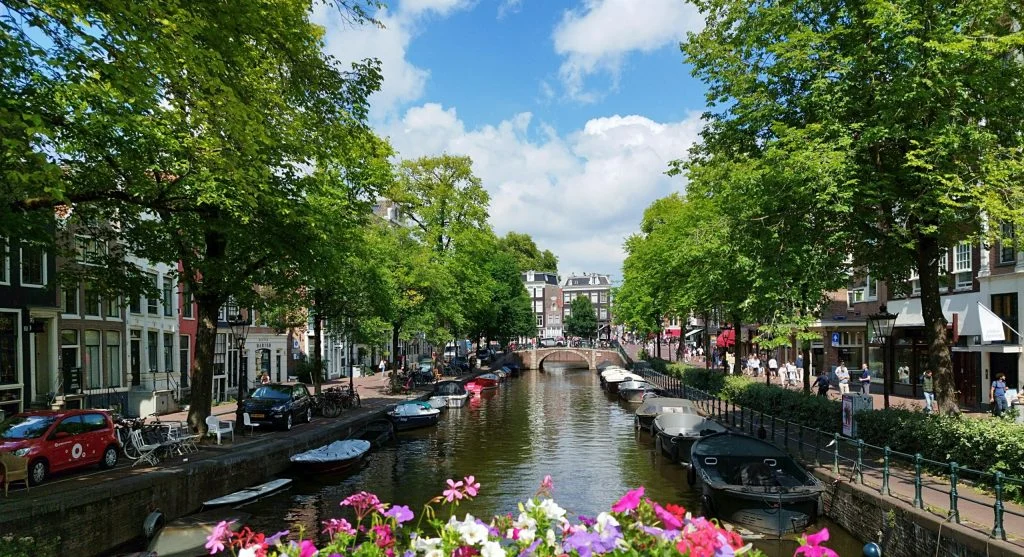
Canal cruises, countryside retreats, and waterfront destinations naturally support slower travel because these experiences focus on scenery and local culture instead of rapid sightseeing.
Scenic Travel Experiences Are Becoming More Important
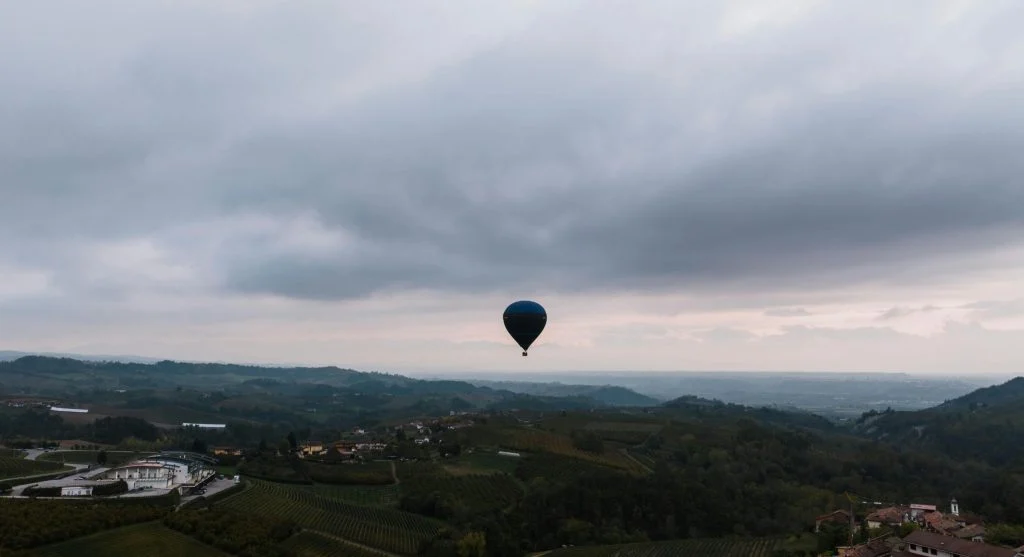
Travelers increasingly choose destinations based on scenery and outdoor experiences. Countryside waterways, vineyard routes, and riverside towns provide environments that support slow travel trends.
Outdoor tourism researchers explain that scenic surroundings can improve traveler satisfaction because guests spend more time outdoors and away from crowded urban environments.
Luxury vacation planning now often includes destinations connected to nature, seasonal landscapes, and walkable communities rather than only major tourism centers.
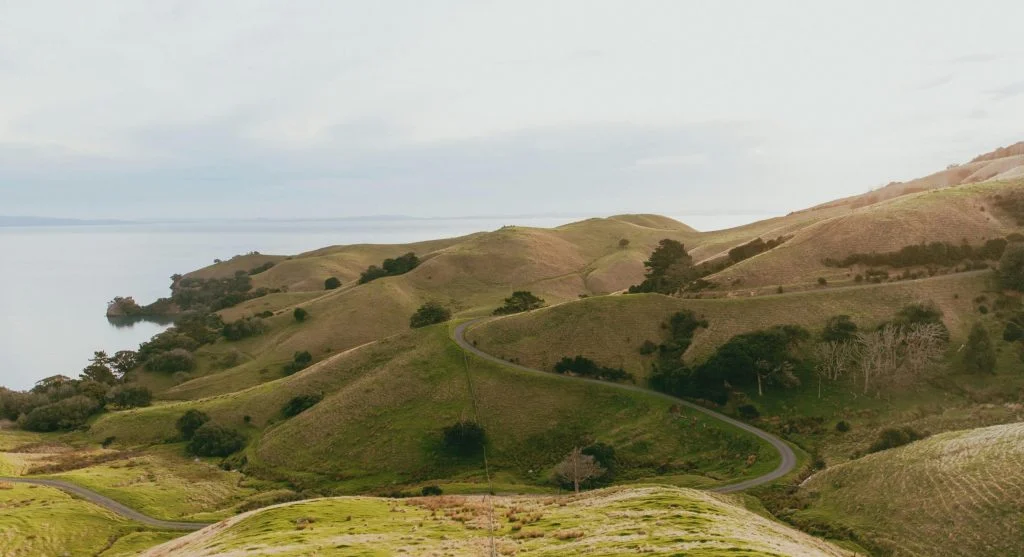
Experience-Focused Tourism Is Replacing Traditional Sightseeing
Experience-focused tourism emphasizes meaningful activities connected to local culture and regional identity. Travelers increasingly choose vacations based on food experiences, outdoor recreation, and cultural immersion rather than only famous landmarks.
Hospitality experts explain that smaller destinations often provide more authentic local experiences compared to heavily crowded tourism areas.
Canal travel, boutique accommodations, riverside dining, and vineyard tourism have all become connected to the rise of experience-focused travel trends.
Smaller Destinations Continue Attracting Luxury Travelers
Luxury travelers increasingly prefer smaller destinations where they can avoid large tourism crowds and enjoy quieter surroundings.
Travel planners explain that smaller canal towns and countryside regions often provide more peaceful environments with easier access to outdoor activities and local culture.
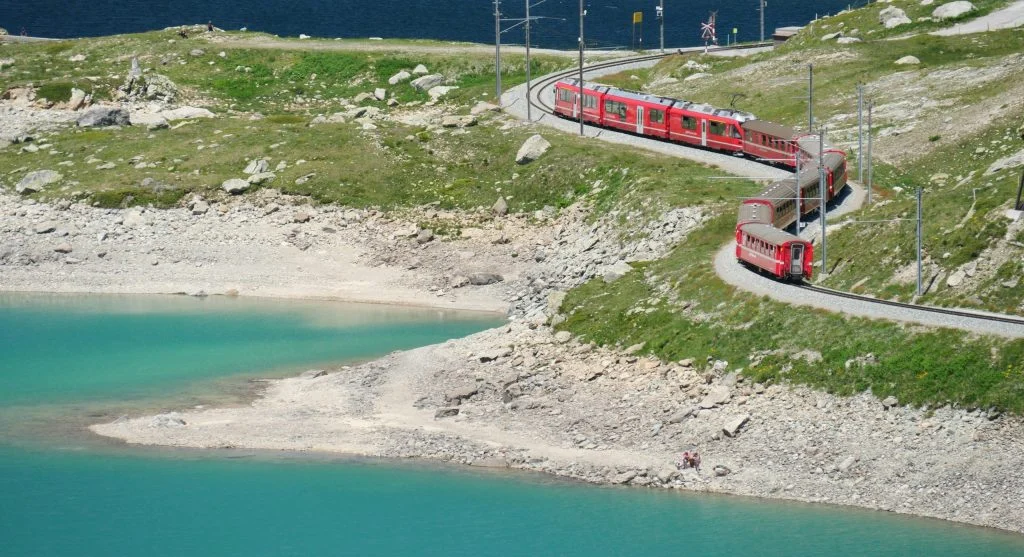
Many travelers also appreciate slower transportation methods, such as canal boats and countryside rail routes, because they allow more time to experience scenery during the journey itself.
Slow Travel Supports Outdoor Recreation Trends
Outdoor recreation continues influencing modern travel decisions. Travelers increasingly seek vacations that include walking, cycling, photography, and countryside sightseeing.
Outdoor tourism analysts explain that slower travel schedules provide more opportunities for guests to participate in outdoor activities without rushing between destinations.
Many canal routes and countryside vacations are now designed around outdoor exploration rather than entertainment-focused tourism.
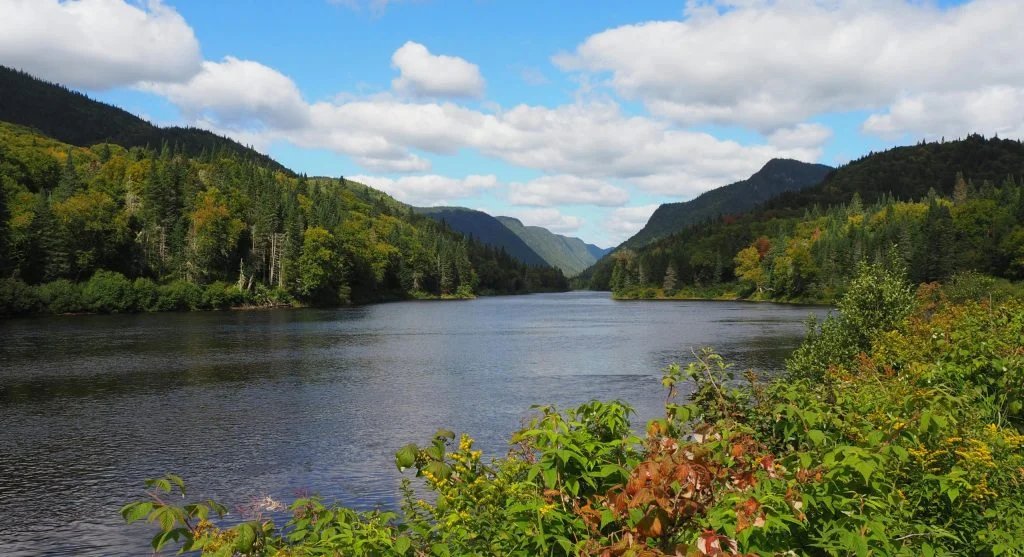
Canal Tourism Matches Modern Luxury Travel Preferences
Canal tourism has become closely connected to slow travel because waterways naturally encourage relaxed movement and scenic sightseeing.
Travel industry specialists explain that luxury canal vacations attract travelers interested in peaceful surroundings, smaller guest groups, and countryside experiences.
Unlike fast-paced transportation systems, canal journeys allow guests to enjoy riverside villages, outdoor dining, and local attractions at a slower pace.
Seasonal Travel Is Influencing Luxury Vacation Planning
Many travelers now plan vacations around seasonal scenery and local events instead of only peak tourism periods. Spring flower seasons, autumn vineyard harvests, and countryside festivals all support slow tourism experiences.
Tourism researchers explain that seasonal travel encourages visitors to spend more time enjoying local culture and outdoor landscapes.
Slow travel also allows guests to experience smaller seasonal events that may be missed during rushed travel itineraries.
Technology and Remote Work Are Supporting Flexible Travel
Flexible work schedules and remote work opportunities have also contributed to slow travel trends. Some travelers now extend vacations or combine work with longer countryside stays.
Hospitality professionals explain that travelers increasingly seek destinations offering peaceful environments suitable for both relaxation and flexible travel schedules.
Smaller waterfront towns and countryside accommodations often attract travelers interested in spending longer periods away from busy cities.
Frequently Asked Questions
Q: What is slow travel?
A: Slow travel focuses on spending more time in fewer destinations while enjoying local culture, outdoor scenery, and relaxed travel experiences.
Q: Why is slow travel becoming popular in luxury tourism?
A: Many luxury travelers now prefer peaceful environments, meaningful experiences, and flexible travel schedules instead of rushed tourism itineraries.
Q: Which destinations support slow travel experiences?
A: Canal towns, countryside regions, vineyard destinations, and waterfront communities are popular for slow travel vacations.
Q: How does canal tourism connect with slow travel?
A: Canal tourism naturally supports slow travel because waterways encourage scenic sightseeing, smaller destinations, and relaxed travel schedules.
Key Takeaway
Slow travel continues changing luxury vacation planning because travelers increasingly value scenic surroundings, flexible schedules, and experience-focused tourism. Countryside waterways, canal towns, and smaller cultural destinations support this trend by offering peaceful and meaningful travel experiences. As travelers continue prioritizing relaxation and local culture over rushed itineraries, slow tourism is expected to remain a major influence on luxury travel.