Historic canal towns are becoming increasingly popular among luxury travelers looking for scenic destinations connected to local culture and slower tourism experiences. Across Europe, travelers are choosing smaller canal communities over crowded city tourism because of their peaceful atmosphere and traditional architecture.
Travel industry specialists explain that modern luxury tourism increasingly focuses on authenticity, outdoor scenery, and experience-focused travel. Canal towns support these travel trends by combining waterfront environments, walkable streets, local dining, and historic cultural identity.
Historic Architecture Creates a Unique Travel Atmosphere
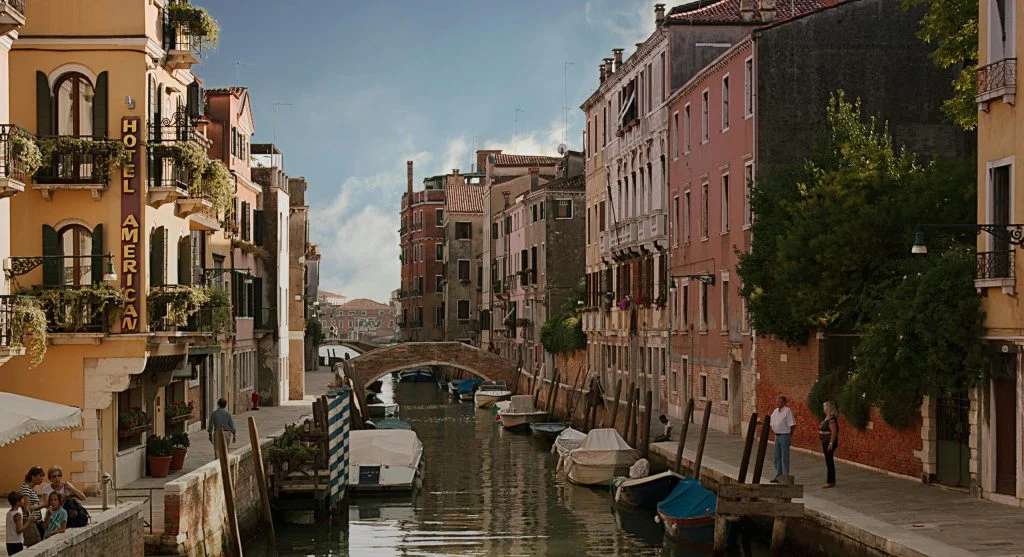
One major reason travelers visit historic canal towns is the architecture. Many canal communities include preserved bridges, traditional homes, waterfront warehouses, and centuries-old streets connected to local history.
Tourism researchers explain that travelers increasingly seek destinations with strong cultural identity instead of modern tourism districts that feel similar across countries.
Canal towns in France, Belgium, the Netherlands, England, and Italy often preserve original architectural styles that contribute to a memorable travel experience.
Luxury Canal Travel Supports Slow Tourism
Luxury canal travel naturally supports slow tourism because waterways encourage relaxed travel schedules and scenic sightseeing.
Travel experts explain that many luxury travelers now avoid rushed itineraries and crowded tourism attractions. Canal towns allow guests to spend more time walking, dining outdoors, and enjoying local scenery.
Smaller destinations often provide quieter environments where travelers can explore comfortably without heavy traffic or large tour groups.
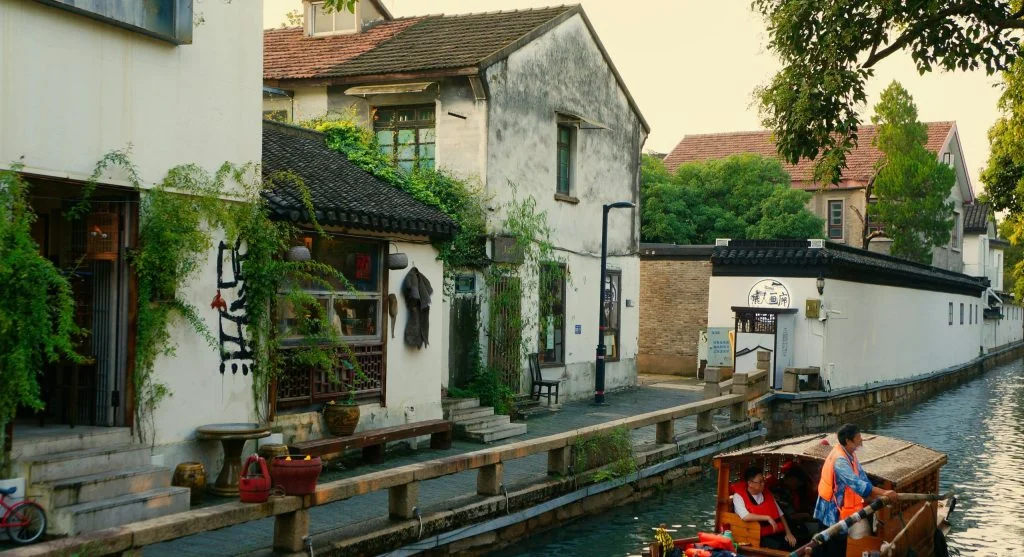
Boutique Hotels Continue Replacing Large Resort Stays
Many historic canal towns are known for boutique accommodations rather than large hotel resorts. Travelers increasingly prefer smaller hotels connected to local architecture and regional culture.
Hospitality specialists explain that boutique hotels often create more personalized experiences because of smaller guest capacity and quieter surroundings.
Luxury travelers frequently choose canal-side accommodations because they provide scenic views and direct access to walkable town centers.
Walkable Streets Improve the Visitor Experience
Historic canal towns are often highly walkable because waterways limit heavy vehicle traffic and encourage pedestrian travel.
Urban tourism researchers explain that travelers increasingly prefer destinations where they can explore comfortably on foot instead of relying heavily on transportation systems.
Walkable canal towns allow visitors to experience cafés, local shops, markets, museums, and riverside attractions at a slower pace.
Waterfront Dining Has Become a Major Attraction
Waterfront restaurants and cafés continue attracting travelers interested in scenic outdoor dining experiences.
Food tourism specialists explain that canal-side dining supports modern luxury tourism trends focused on atmosphere and local cuisine rather than formal dining alone.
Historic canal communities frequently include outdoor seating areas beside waterways where travelers can enjoy local food while viewing boats and historic scenery.
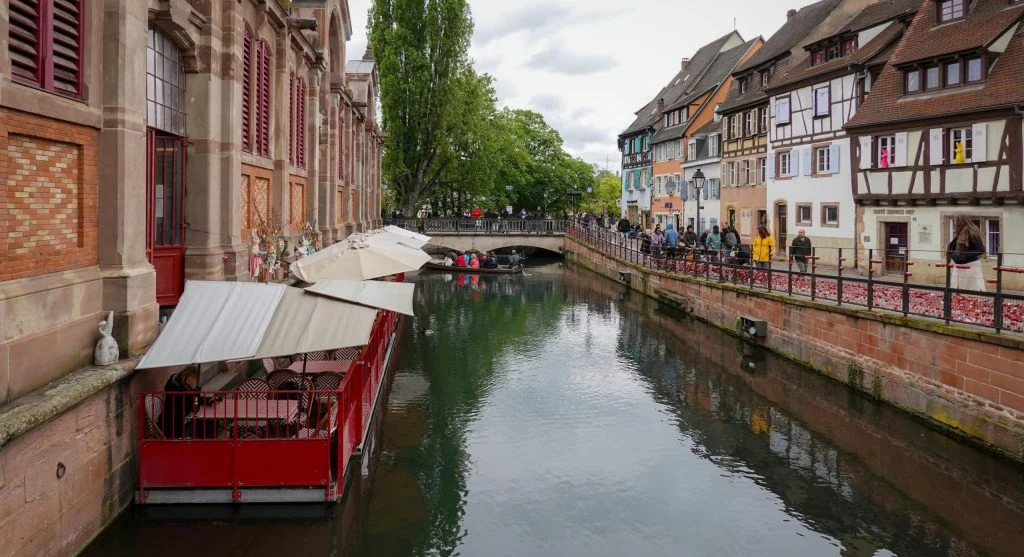
Photography Tourism Continues Supporting Canal Destinations
Photography tourism has become another important reason travelers visit scenic canal destinations. Historic bridges, waterfront buildings, and seasonal landscapes create highly visual travel experiences.
Travel media analysts explain that many travelers now choose destinations based partly on visual appeal and outdoor scenery shared through travel photography.
Canal towns provide strong photography opportunities throughout different seasons because waterways reflect architecture, seasonal colors, and evening lighting conditions.
Seasonal Tourism Adds Variety Throughout the Year
Different seasons create different experiences across historic canal towns. Spring attracts travelers interested in flower blooms and outdoor cafés, while summer supports festivals and riverside tourism.
Autumn remains popular because of colorful scenery and quieter travel conditions. Winter tourism also attracts visitors interested in holiday lights and seasonal markets near historic waterways.
Travel planners explain that canal towns maintain tourism appeal throughout the year because waterways remain central to local cultural life and outdoor activities.
Smaller Communities Feel More Authentic to Travelers
Many luxury travelers increasingly prefer smaller communities because they feel more connected to local culture and daily life.
Hospitality researchers explain that smaller canal towns often preserve traditional lifestyles, local markets, and regional customs more strongly than major tourism cities.
Travelers interested in authentic cultural experiences frequently choose canal destinations where local identity remains visible throughout the community.
Frequently Asked Questions
Q: Why are historic canal towns becoming more popular?
A: Travelers increasingly prefer scenic destinations connected to local culture, walkable streets, and peaceful tourism experiences.
Q: Which countries are known for historic canal towns?
A: France, Belgium, the Netherlands, England, Germany, and Italy are among the leading canal tourism destinations in Europe.
Q: What activities are common in canal towns?
A: Common activities include canal cruises, photography, outdoor dining, walking tours, cycling, and exploring local markets.
Q: Why do luxury travelers prefer boutique canal destinations?
A: Boutique canal destinations often provide quieter surroundings, personalized accommodations, and stronger connections to local culture.
Key Takeaway
Historic canal towns continue becoming luxury travel favorites because they combine scenic waterways, cultural architecture, boutique accommodations, and peaceful tourism experiences. Travelers increasingly value walkable destinations, waterfront dining, and authentic local environments instead of crowded tourism centers. As slow tourism and experience-focused travel continue growing, historic canal towns are expected to remain highly attractive destinations across Europe.