Remote luxury vacations continue becoming more popular among travelers interested in privacy, outdoor wellness, and scenic destinations away from crowded tourism areas. However, travel specialists explain that remote travel experiences often require more preparation than traditional city vacations because transportation systems, weather conditions, and local services may be limited.
Careful planning often helps travelers enjoy smoother and more comfortable experiences while exploring remote mountains, islands, deserts, forests, and countryside destinations.
1. Underestimating Transportation Time
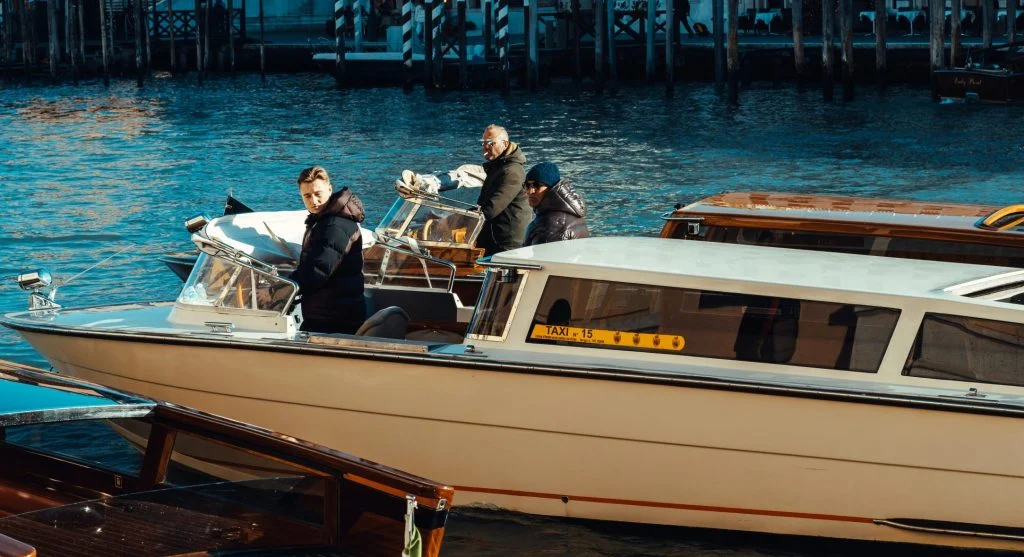
One of the most common mistakes travelers make during remote luxury vacations is underestimating travel time between airports, ports, or remote accommodations.
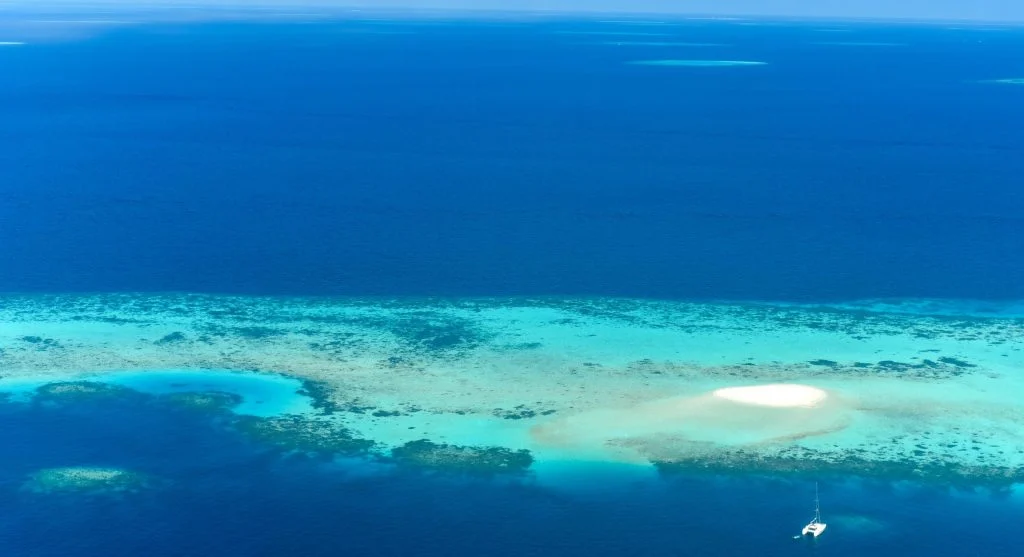
Travel planners explain that many remote resorts require additional transportation such as ferries, regional flights, or long scenic drives.
Luxury travelers often benefit from building extra flexibility into their schedules to reduce stress during connections.
2. Forgetting About Seasonal Weather Changes
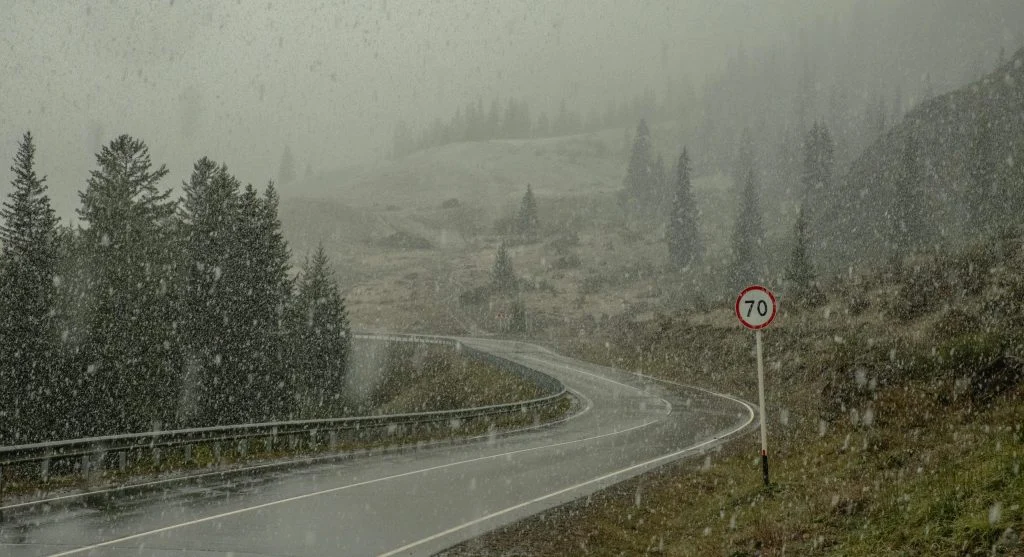
Remote destinations often experience stronger seasonal weather changes compared to urban tourism centers.
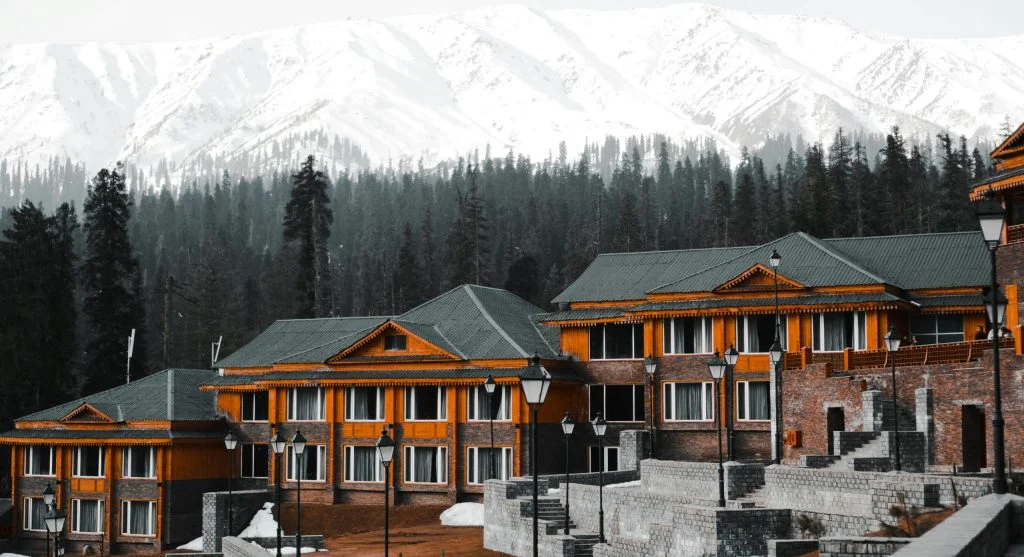
Outdoor tourism specialists explain that mountain roads, desert temperatures, coastal storms, and rainy seasons can strongly affect outdoor travel experiences.
Researching local climate conditions before departure often improves vacation planning and packing decisions.
3. Packing the Wrong Clothing
Many travelers incorrectly assume remote destinations always have warm or predictable weather conditions.
Travel experts explain that remote environments frequently experience temperature changes between day and night, especially in mountain and desert regions.
Layered clothing, comfortable outdoor footwear, and weather-resistant gear are often important for remote luxury travel experiences.
4. Ignoring Internet and Communication Limitations
Some remote destinations have limited internet service or weaker mobile coverage compared to urban areas.
Hospitality specialists explain that many travelers now expect constant digital access, but remote tourism regions may provide slower or less reliable connections.
Travelers often benefit from preparing offline maps, travel confirmations, and important reservation details before arrival.
5. Scheduling Too Many Activities
Luxury wellness tourism increasingly focuses on slower travel routines and peaceful outdoor experiences.
Travel behavior researchers explain that overly busy schedules can reduce relaxation during remote vacations.
Many travelers now prefer flexible itineraries that leave time for photography, outdoor dining, wellness experiences, and scenic relaxation.
6. Forgetting to Research Local Culture
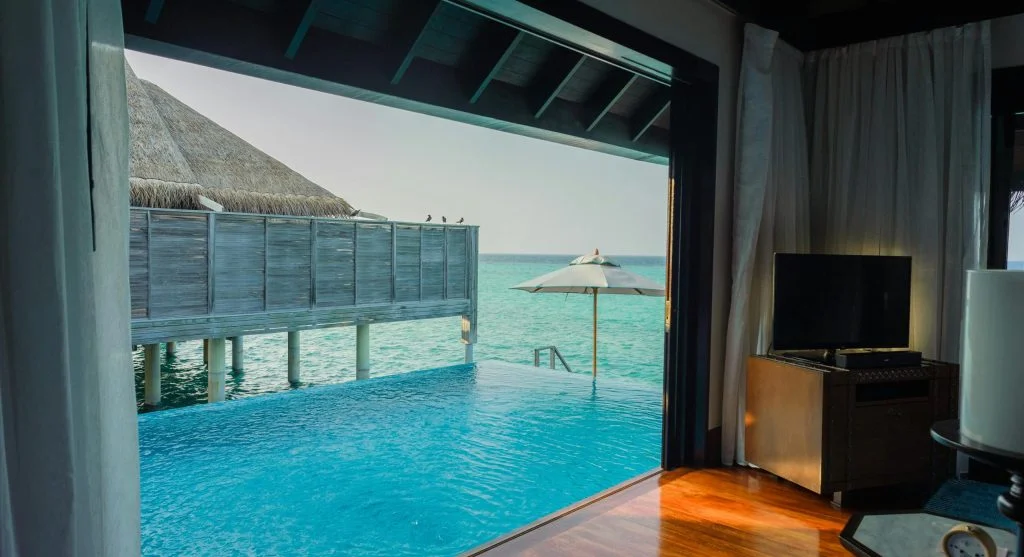
Remote destinations often maintain stronger local traditions and cultural customs than heavily commercial tourism centers.
Cultural tourism specialists explain that understanding local etiquette and regional customs often improves the overall travel experience.
Travelers frequently enjoy remote vacations more when they learn about local food traditions, architecture, and outdoor activities connected to the destination.
7. Not Checking Outdoor Activity Conditions
Many remote luxury vacations include hiking, boating, desert excursions, or wildlife experiences.
Outdoor tourism experts explain that seasonal trail conditions, water levels, and regional safety guidelines can affect outdoor recreation opportunities.
Travelers often benefit from reviewing local activity conditions before arrival instead of assuming all experiences operate year-round.
8. Overlooking Photography Opportunities
Photography tourism continues influencing luxury travel because many travelers now prioritize visually memorable destinations.
Remote landscapes often provide dramatic sunrise views, wildlife encounters, seasonal scenery, and nighttime skies ideal for photography.
Travel media analysts explain that travelers increasingly plan outdoor schedules around scenic lighting conditions and photography experiences.
Slow Tourism Continues Influencing Remote Travel
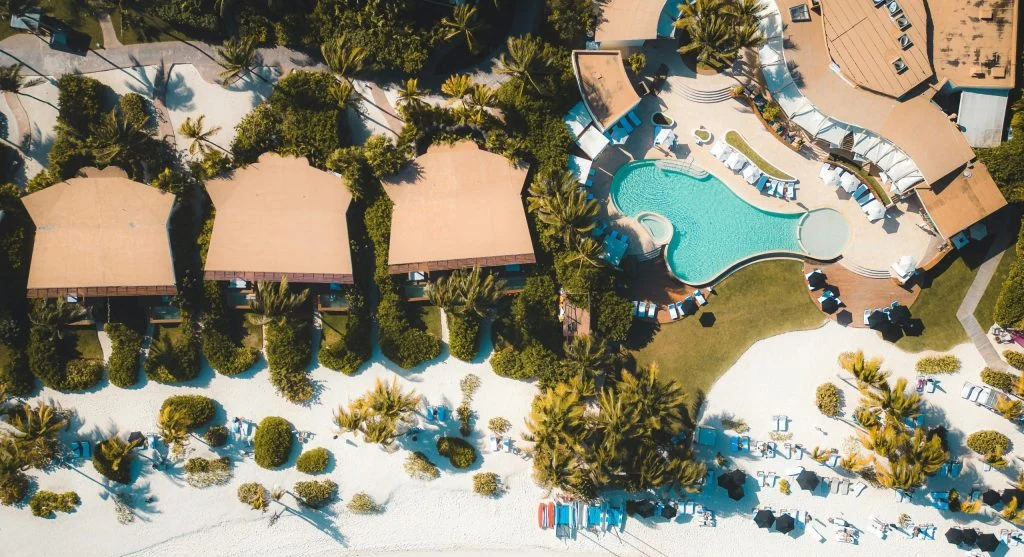
Slow tourism strongly influences remote luxury travel because travelers increasingly seek peaceful surroundings and flexible vacation schedules.
Travel planners explain that remote destinations naturally encourage slower sightseeing experiences connected to nature and relaxation.
Luxury travelers often appreciate these environments because they feel calmer and less crowded than traditional tourism cities.
Frequently Asked Questions
Q: Why are remote luxury vacations becoming popular?
A: Travelers increasingly seek privacy, scenic landscapes, wellness tourism, and peaceful outdoor experiences.
Q: What is the most common planning mistake for remote travel?
A: Underestimating transportation time and weather conditions is one of the most common mistakes.
Q: Why is flexible scheduling important during remote vacations?
A: Flexible schedules often reduce stress and improve relaxation during outdoor and wellness-focused travel experiences.
Q: What activities are common during remote luxury vacations?
A: Common activities include hiking, photography, outdoor dining, wellness travel, boating, and wildlife observation.
Key Takeaway
Remote luxury vacations continue attracting travelers because they combine scenic outdoor environments, peaceful tourism experiences, and nature-focused relaxation. However, transportation planning, weather preparation, and flexible scheduling remain important for successful remote travel experiences. As wellness tourism and outdoor luxury travel continue growing, remote destinations are expected to remain highly desirable among travelers seeking slower and more meaningful vacations.