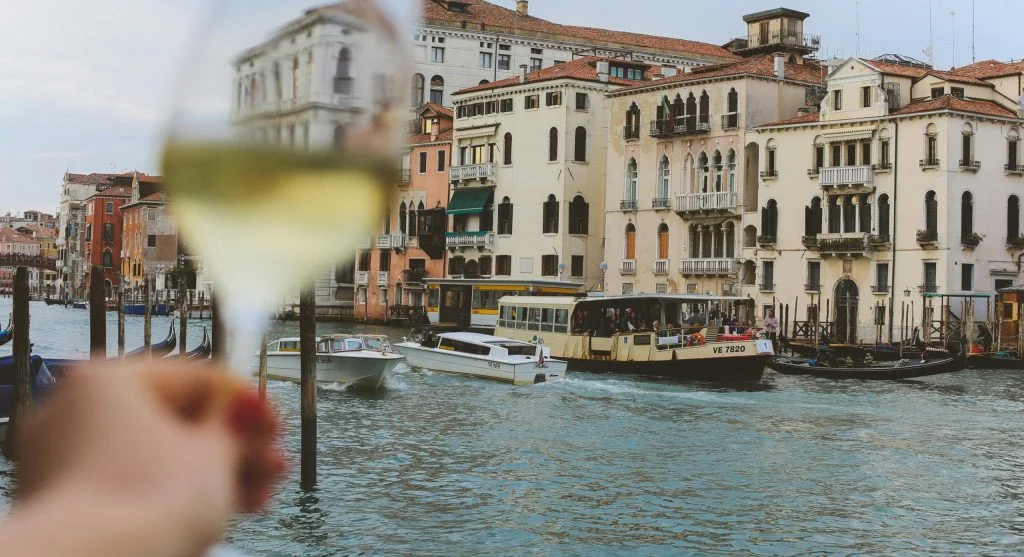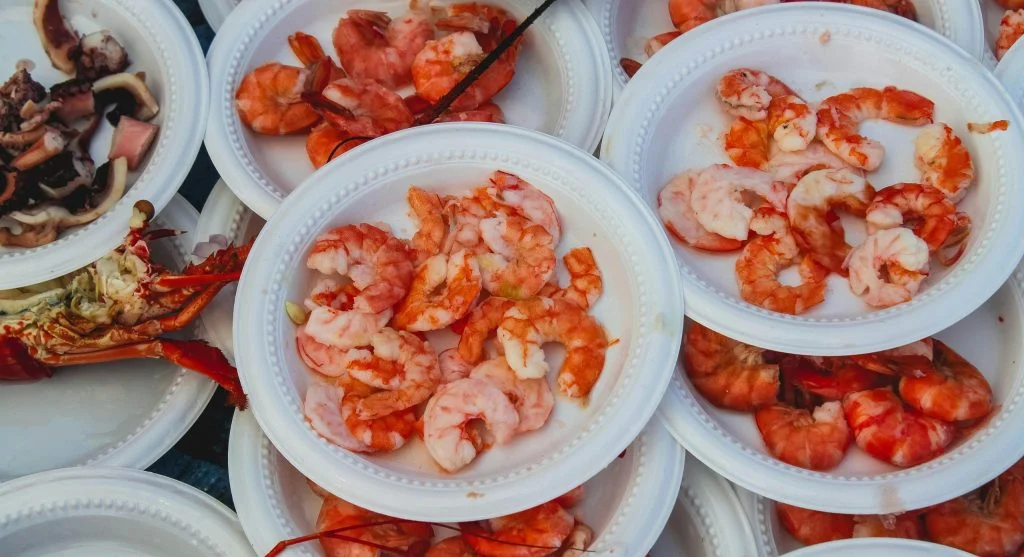
Coastal seafood markets are becoming increasingly popular among travelers interested in luxury food tourism and authentic culinary experiences. Across Mediterranean coastlines, Asian fishing ports, and seaside destinations worldwide, travelers now frequently visit local seafood markets to experience regional cuisine and waterfront culture.
Travel industry specialists explain that modern luxury tourism increasingly focuses on local experiences connected to food traditions, outdoor environments, and regional identity. Seafood market tourism supports these travel trends through fresh cuisine, scenic coastal settings, and slower sightseeing experiences.
Fresh Regional Cuisine Continues Attracting Travelers
One reason coastal seafood markets attract luxury travelers is the connection to freshly prepared regional cuisine.
Food tourism researchers explain that travelers increasingly seek meals connected directly to local ingredients and traditional preparation methods.
Seafood markets frequently provide opportunities to experience fish, shellfish, and coastal dishes prepared using regional cooking traditions.
Waterfront Environments Create Scenic Dining Experiences
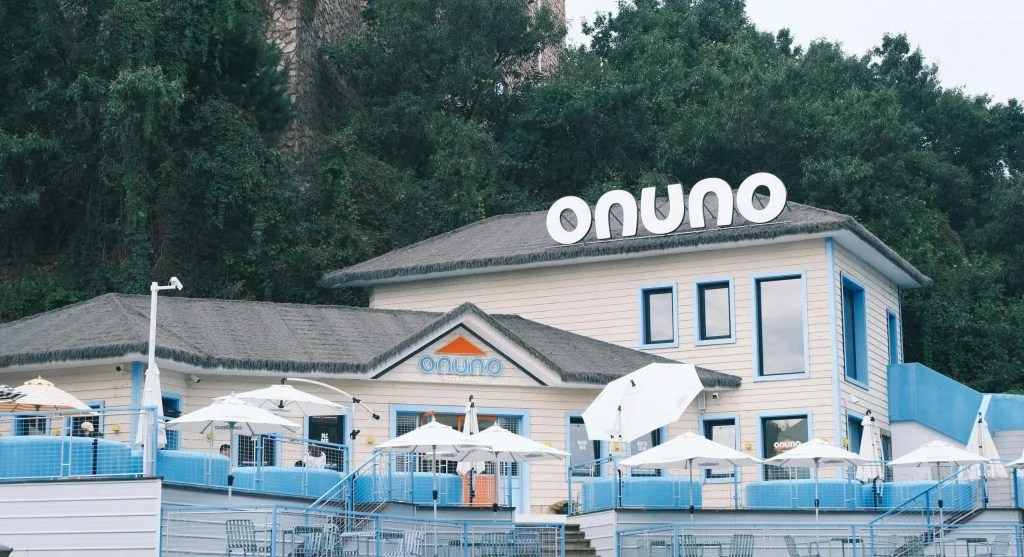
Outdoor dining continues becoming one of the most important parts of luxury food tourism.
Hospitality specialists explain that waterfront markets naturally create visually attractive environments connected to boats, harbors, and ocean scenery.
Many travelers now prioritize atmosphere and scenery during meals instead of formal indoor restaurant settings alone.
Travelers Increasingly Seek Authentic Local Culture
Modern luxury travelers increasingly value authentic experiences connected to local communities and regional traditions.
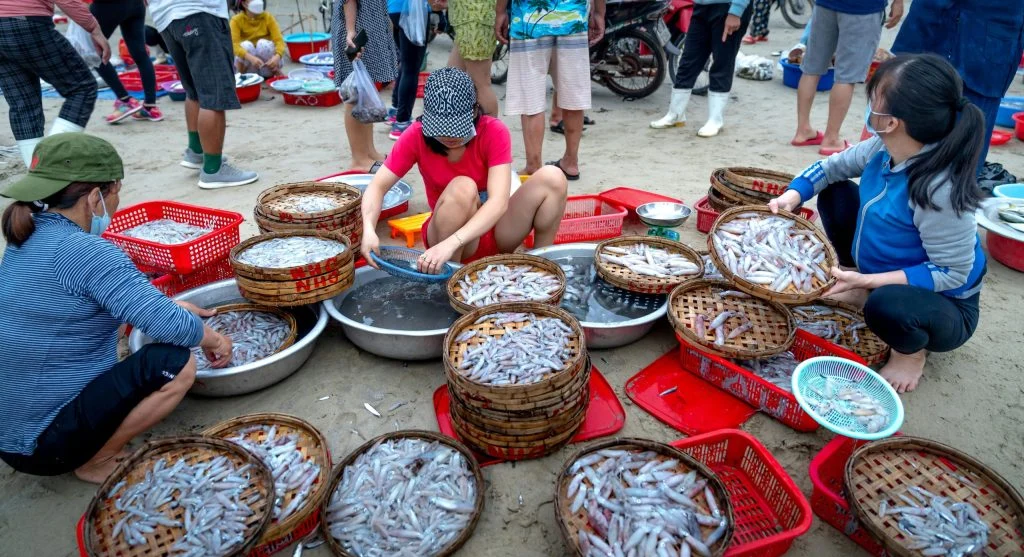
Cultural tourism researchers explain that seafood markets often reflect the daily lifestyle and history of coastal destinations.
Fishing boats, traditional cooking techniques, and regional ingredients frequently create stronger cultural connections for travelers.
Photography Tourism Influences Culinary Travel Trends
Photography tourism continues shaping luxury food travel because travelers increasingly seek visually memorable destinations.
Travel media analysts explain that seafood markets provide colorful and dynamic photography opportunities connected to waterfront scenery and fresh local products.
Morning fish deliveries, harbor reflections, and vibrant market stalls frequently attract photography-focused travelers.
Slow Tourism Continues Influencing Coastal Travel
Slow tourism increasingly shapes luxury travel because many travelers now prefer relaxed sightseeing experiences instead of rushed vacation schedules.
Travel planners explain that seafood markets naturally support slower tourism through outdoor dining, walking exploration, and local interactions.
Many travelers now enjoy spending extended time exploring coastal districts instead of quickly visiting major tourist landmarks.

Luxury Travelers Increasingly Prefer Smaller Coastal Destinations
Many luxury travelers now avoid overcrowded tourism cities in favor of smaller waterfront communities and scenic harbor towns.
Hospitality analysts explain that boutique coastal destinations often provide quieter environments and more personalized experiences.
Seafood markets frequently become central attractions within these smaller tourism regions.
Seasonal Seafood Tourism Creates Unique Experiences
Seasonal tourism strongly influences seafood market travel because fishing traditions and regional cuisine often change throughout the year.
Food tourism specialists explain that travelers increasingly enjoy visiting destinations during seasonal seafood festivals and harvest periods.
Different fishing seasons frequently create unique culinary experiences connected to local coastal culture.
Outdoor Wellness Tourism Supports Coastal Travel
Wellness tourism increasingly connects luxury travel with outdoor environments and slower daily routines.
Coastal destinations naturally support wellness-focused tourism through ocean views, fresh air, and scenic walking environments.
Travel researchers explain that waterfront seafood markets often become part of broader outdoor tourism experiences connected to coastal relaxation.
Frequently Asked Questions
Q: Why are coastal seafood markets becoming popular tourist attractions?
A: Travelers increasingly seek authentic food tourism experiences connected to local culture and waterfront scenery.
Q: What activities are common during seafood market tourism?
A: Common activities include seafood dining, photography, cultural sightseeing, waterfront walks, and local market exploration.
Q: Why do luxury travelers enjoy seafood market destinations?
A: Many travelers value fresh regional cuisine, outdoor dining, and slower tourism experiences connected to local communities.
Q: Which destinations are known for seafood market tourism?
A: Mediterranean coastal towns, Asian fishing ports, and seaside destinations worldwide are especially popular.
Key Takeaway
Coastal seafood markets continue attracting luxury travelers because they combine authentic regional cuisine, waterfront scenery, cultural tourism, and slower travel experiences connected to local communities. Travelers increasingly value fresh ingredients, outdoor dining, and meaningful culinary exploration instead of traditional tourist-focused dining environments. As luxury food tourism continues evolving, seafood market destinations are expected to remain highly popular among coastal travelers worldwide.