Riverside dining experiences are becoming increasingly popular among travelers looking for slower and more scenic luxury vacations. Restaurants and cafés located near canals, rivers, and waterfront areas now attract visitors interested in combining local cuisine with outdoor scenery and relaxed travel environments.
Travel industry researchers explain that food tourism continues influencing luxury travel trends across Europe. Travelers increasingly value memorable dining settings connected to local culture, natural scenery, and authentic regional experiences. Waterfront restaurants and canal-side dining areas fit these preferences closely.
Scenic Waterfront Locations Improve the Dining Experience
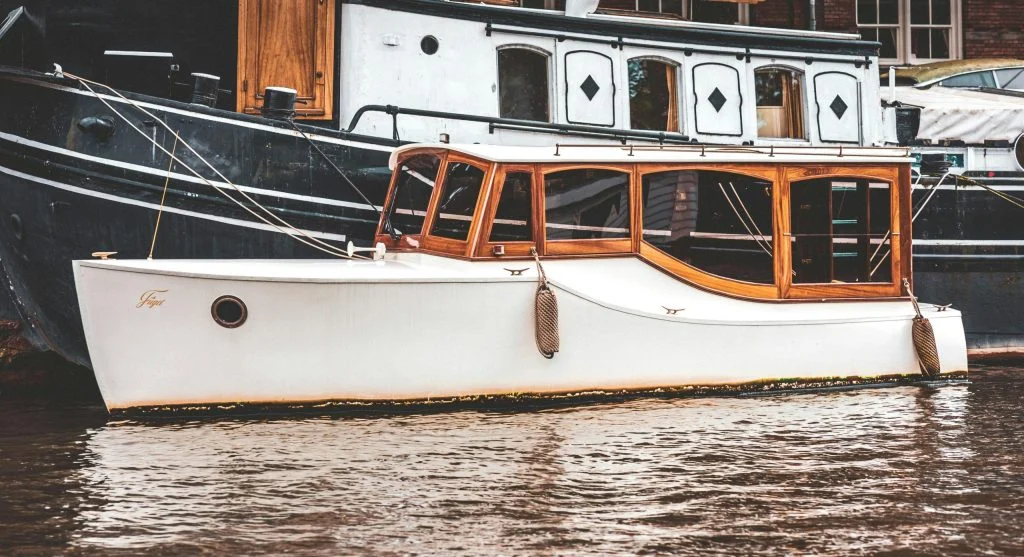
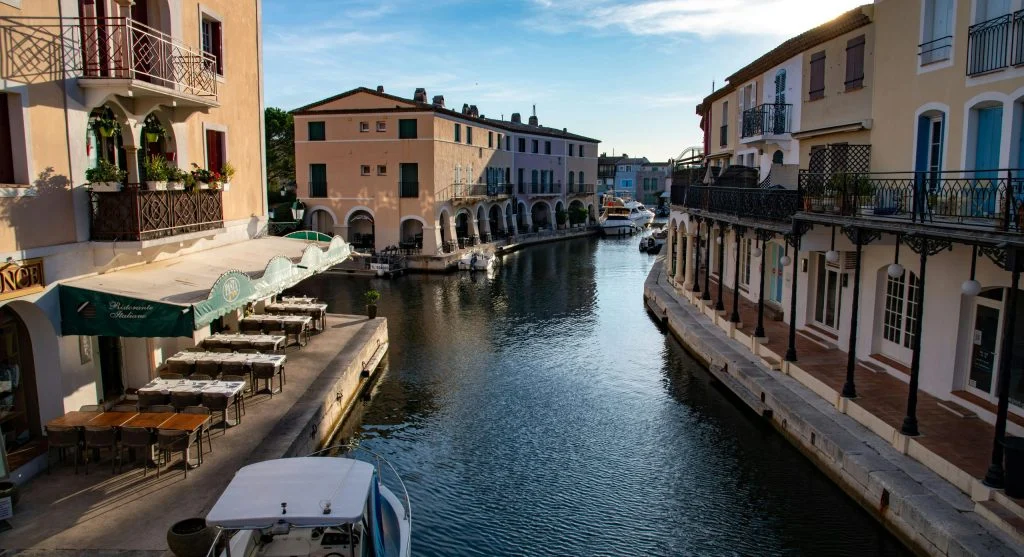
One reason riverside dining experiences continue growing is the atmosphere created by waterfront scenery. Outdoor seating areas beside canals and rivers often provide views of historic bridges, countryside landscapes, and passing boats.
Hospitality specialists explain that travelers increasingly seek dining environments connected to outdoor scenery and slower tourism experiences. Many guests now prefer quiet outdoor meals instead of crowded indoor restaurant settings.
Canal-side restaurants in countries such as France, Italy, Belgium, and the Netherlands often attract travelers because of their relaxed waterfront atmosphere.
Canal Food Tourism Supports Local Cuisine Traditions
Canal food tourism has become an important part of European travel because waterways frequently connect travelers with smaller communities known for regional cuisine.
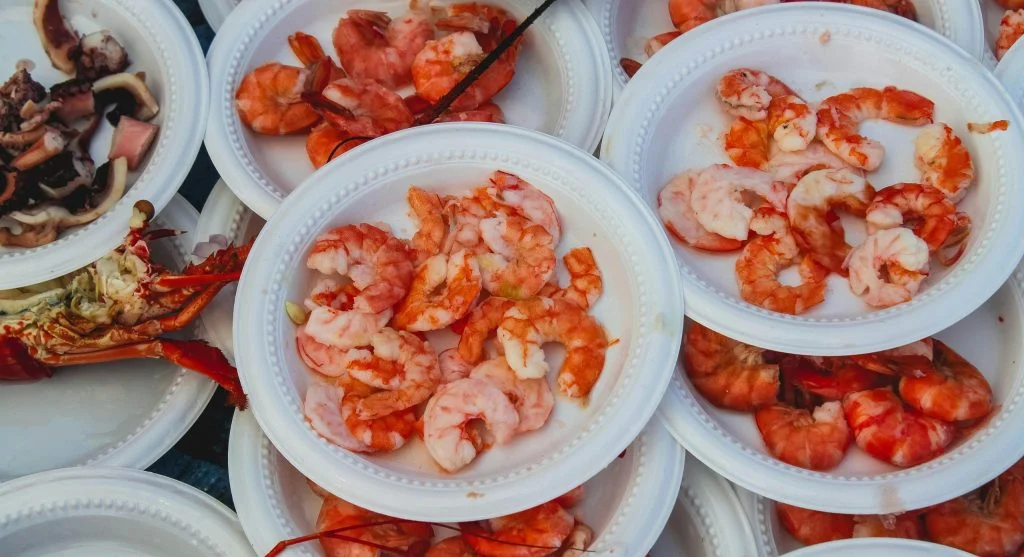
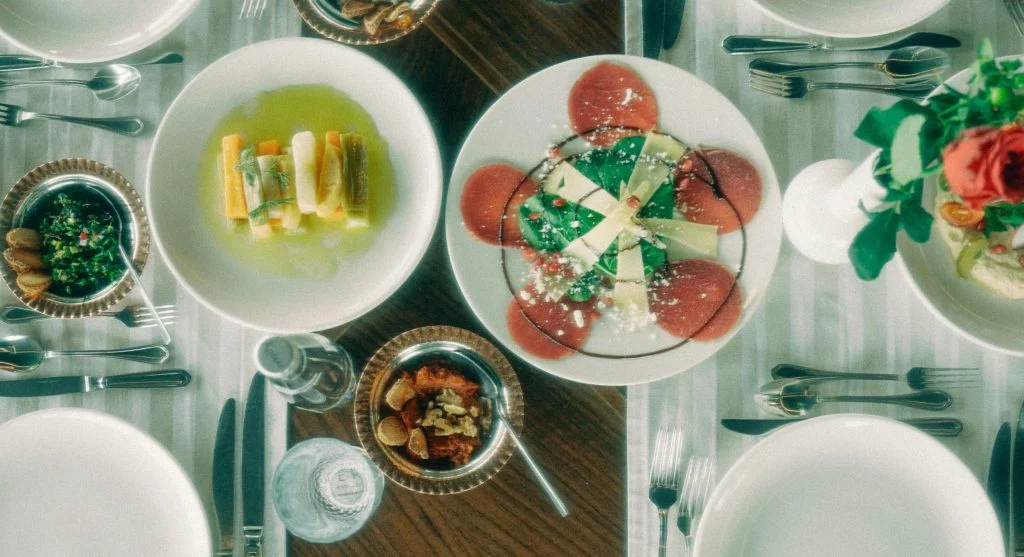
Travel planners explain that riverside towns often preserve local cooking traditions and market culture more strongly than larger tourism centers. Travelers visiting canal destinations commonly seek traditional dishes, local ingredients, and regional specialties.
Many luxury travelers now prioritize authentic local dining over large international restaurant chains during vacations.
Luxury Travel Dining Is Becoming More Experience-Focused
Luxury travel dining has shifted significantly in recent years. Many travelers now focus less on formal restaurant environments and more on unique experiences connected to scenery and culture.
Tourism researchers note that travelers increasingly choose restaurants based on location, atmosphere, and local identity instead of only menu selection. Waterfront dining combines these elements naturally.
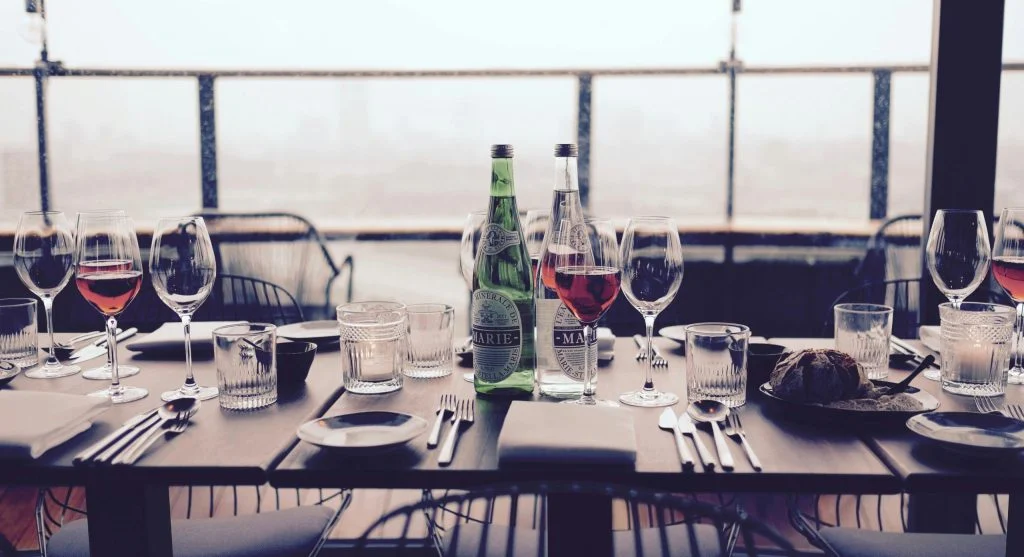
Outdoor terraces near canals and rivers also support longer dining experiences where travelers spend additional time relaxing and enjoying local surroundings.
Seasonal Dining Trends Continue Influencing Travel Choices
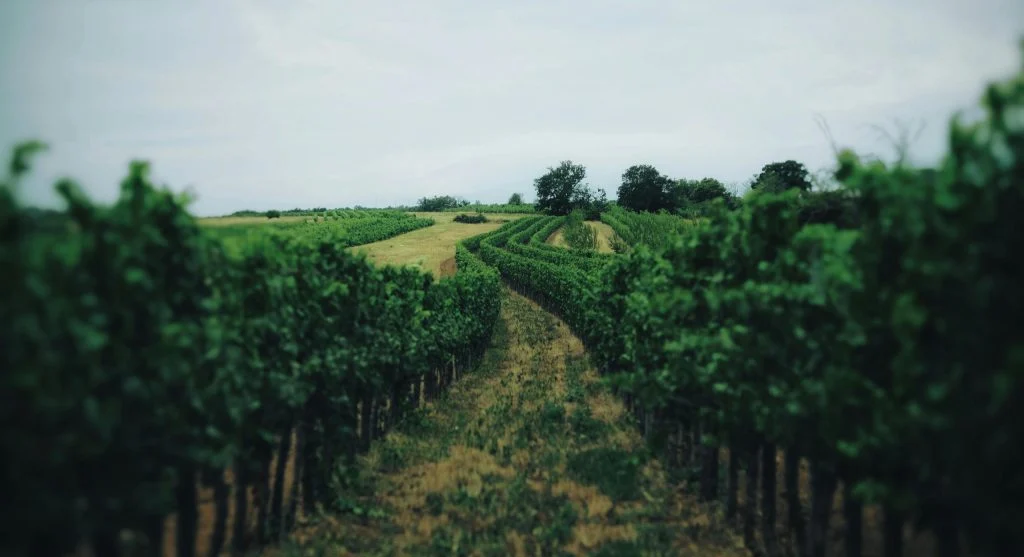
Seasonal travel strongly affects riverside dining popularity. Spring and summer usually attract travelers interested in outdoor terraces and canal-side cafés, while autumn dining often focuses on vineyard regions and harvest-season cuisine.
Food tourism experts explain that seasonal ingredients and local events contribute to regional dining appeal. Travelers often plan canal vacations around wine harvests, countryside festivals, and regional food markets.
Many riverside restaurants also adjust menus throughout the year based on local produce and seasonal traditions.
Waterfront Restaurants Support Slow Tourism Experiences
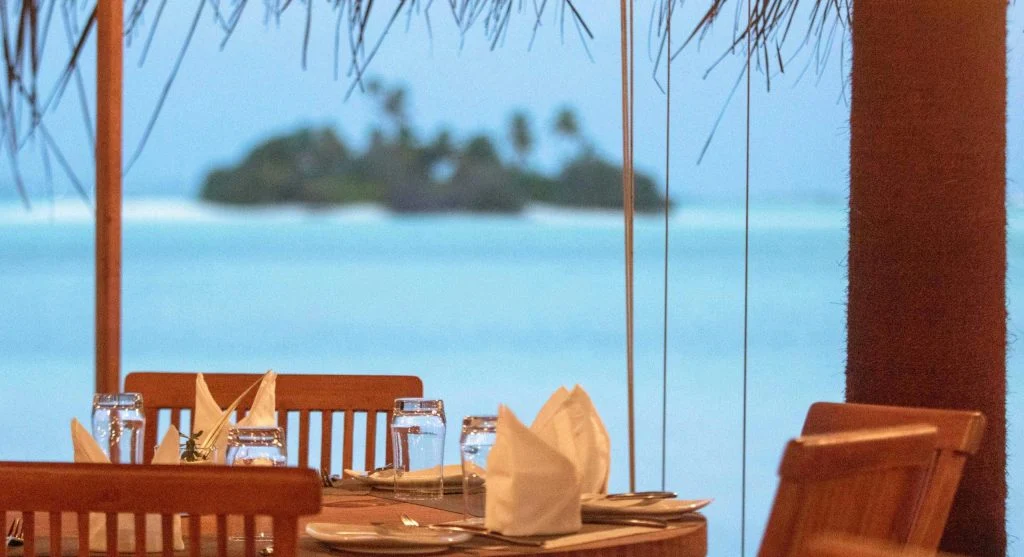
Slow tourism focuses on spending more time in fewer destinations while enjoying local culture and relaxed travel schedules. Riverside dining experiences support this tourism style because they encourage travelers to slow down and enjoy scenery, conversation, and regional cuisine.
Travel analysts explain that many luxury travelers increasingly avoid rushed travel itineraries and crowded tourism activities. Canal-side dining allows guests to experience destinations more comfortably and at a slower pace.
Smaller waterfront towns are especially popular because of their peaceful atmosphere and walkable dining areas.
European Canal Destinations Continue Expanding Food Tourism
Several European regions continue developing tourism around waterfront dining and local food culture. France remains especially popular because of vineyard towns and countryside canals connected to regional cuisine traditions.
The Netherlands attracts travelers with canal cafés and historic waterfront districts, while Italy’s riverside towns continue growing as food tourism destinations. Belgium also remains known for canal-side dining experiences connected to historic architecture and local specialties.
Hospitality researchers explain that travelers increasingly choose destinations where dining experiences feel closely connected to local culture and scenery.
Photography and Social Travel Trends Influence Dining Popularity
Scenic waterfront dining has also become popular because travelers increasingly share travel experiences through photography and digital travel communities.
Travel media analysts explain that visually appealing restaurants and outdoor dining locations often influence destination popularity. Canal-side terraces, sunset river views, and historic waterfront architecture create highly recognizable travel imagery.
Many luxury travelers now search for dining locations that combine memorable scenery with regional cuisine and relaxed tourism experiences.
Frequently Asked Questions
Q: Why are riverside dining experiences becoming more popular?
A: Travelers increasingly prefer outdoor dining connected to scenic waterways, local cuisine, and slower tourism experiences.
Q: Which countries are known for canal food tourism?
A: France, Italy, Belgium, and the Netherlands are among the most popular destinations for canal food tourism and waterfront restaurants.
Q: What makes waterfront restaurants appealing to luxury travelers?
A: Waterfront restaurants often combine outdoor scenery, regional cuisine, peaceful surroundings, and cultural experiences in one location.
Q: How does slow tourism connect with riverside dining?
A: Slow tourism encourages travelers to spend more time enjoying local culture, food, and scenery instead of following rushed travel schedules.
Key Takeaway
Riverside dining experiences continue growing in popularity because travelers increasingly value outdoor scenery, local cuisine, and slower tourism environments. Canal-side restaurants and waterfront cafés provide relaxing settings that connect food tourism with scenic travel experiences across Europe. As luxury travelers continue prioritizing meaningful and experience-focused vacations, waterfront dining is expected to remain a major part of canal tourism.