Luxury canal hotels continue attracting travelers looking for peaceful accommodations connected to scenic waterways and slower tourism experiences. Travelers increasingly prefer smaller boutique hotels located near canals and rivers instead of large resort-style properties in crowded tourism centers.
Hospitality industry researchers explain that luxury travel trends now focus heavily on comfort, local culture, outdoor scenery, and personalized experiences. Canal-side accommodations across Europe continue adapting to these preferences by offering features that support quiet and experience-focused travel.
1. Waterfront Views Have Become a Major Priority
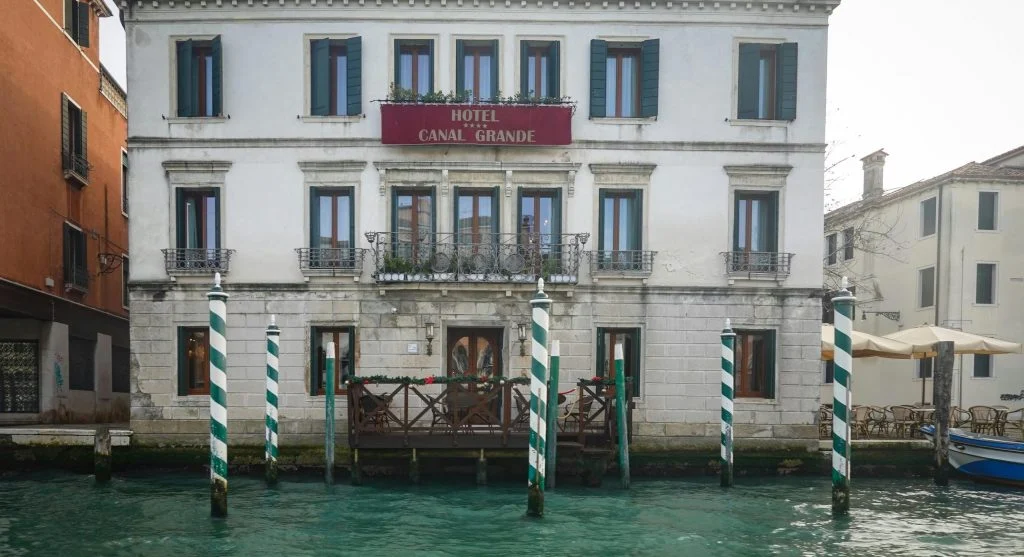
One of the most important features travelers expect from luxury canal hotels is direct access to waterfront scenery. Canal-side rooms, outdoor terraces, and balcony views remain highly popular among luxury travelers.
Hospitality specialists explain that travelers increasingly choose accommodations based on atmosphere and scenery rather than only room size or hotel amenities. Waterway views create a calmer environment that many guests associate with relaxation and slow tourism.
Hotels located near canals in the Netherlands, France, Belgium, and Italy often promote waterfront access as a central part of the guest experience.
2. Smaller Boutique Environments Are Preferred Over Large Resorts
Many luxury travelers now prefer smaller boutique hotels instead of large resorts with heavy tourist traffic. Canal-side accommodations often focus on personalized service and quieter surroundings.
Travel researchers explain that smaller guest environments frequently create more peaceful experiences with fewer crowds and more flexible service.
Luxury canal hotels are especially popular among travelers interested in slower tourism and comfortable travel settings connected to local culture.
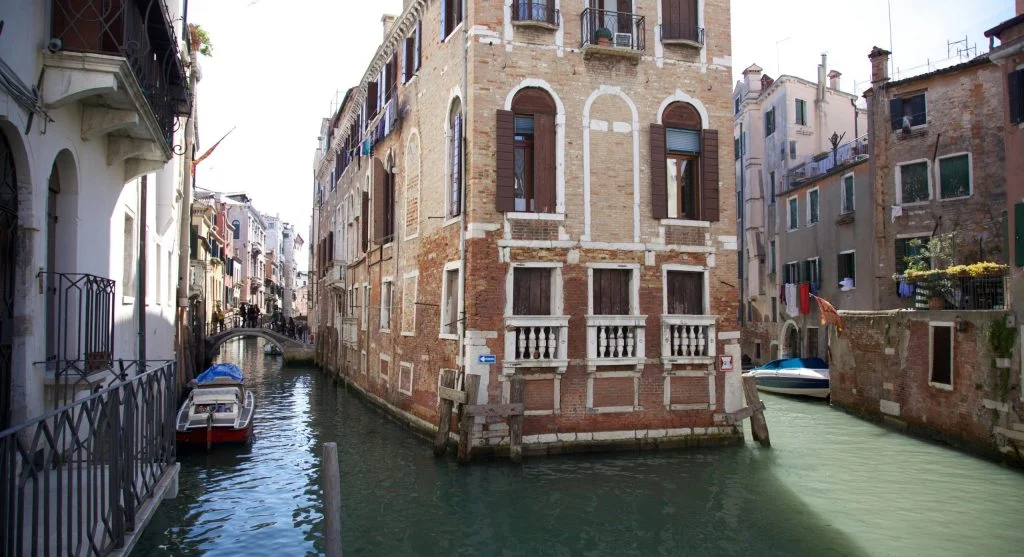
3. Outdoor Dining Areas Continue Growing in Popularity
Outdoor dining spaces have become another important feature for luxury travel stays. Travelers increasingly seek restaurants and cafés connected to canals, rivers, and outdoor scenery.
Food tourism experts explain that canal-side dining supports experience-focused tourism because guests can combine local cuisine with scenic surroundings and slower travel schedules.
Many canal hotels now include outdoor terraces, rooftop seating areas, and waterfront dining experiences designed around local food culture.
4. Walkable Locations Are Important for Slow Tourism Travelers
Travelers interested in slow tourism often prioritize hotels located near walkable neighborhoods, local cafés, museums, and cultural attractions.
Canal-side hotels are frequently positioned near historic districts and riverside walking paths that support relaxed sightseeing experiences. Travelers can explore local communities without relying heavily on transportation services.
Tourism analysts explain that walkable destinations continue growing in popularity because travelers increasingly prefer flexible and slower-paced travel experiences.
5. Quiet Surroundings Are Becoming More Valuable
Another major feature travelers expect from luxury canal hotels is a peaceful atmosphere. Many guests now actively avoid heavily crowded tourism districts and noisy entertainment areas.
Hospitality professionals explain that quiet surroundings often improve guest satisfaction during luxury vacations. Waterfront areas naturally create calmer environments compared to busy city centers.
Canal hotels located near countryside routes and smaller towns are especially attractive to travelers interested in relaxation and outdoor scenery.
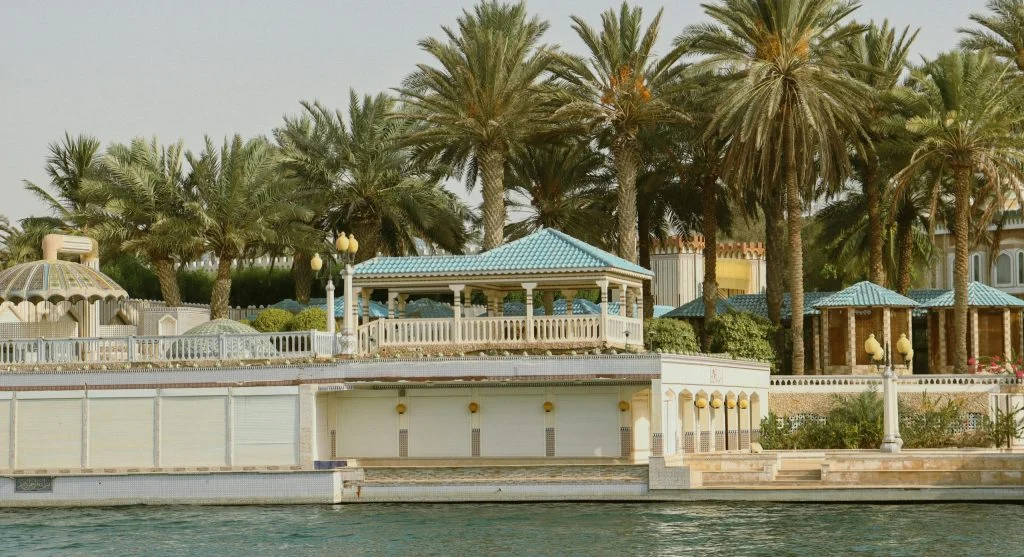
6. Local Cultural Design Adds to the Experience
Luxury travelers increasingly value accommodations connected to regional architecture, history, and local traditions. Canal-side hotels often reflect the culture of the surrounding destination through interior design and dining experiences.
Travel specialists explain that many guests now seek authentic local environments instead of generic hotel experiences that feel disconnected from the destination.
Hotels located in historic canal towns frequently use traditional architecture and regional materials to maintain cultural identity and atmosphere.
7. Outdoor Recreation Access Supports Modern Travel Trends
Luxury canal hotels are also becoming more popular because they often provide direct access to outdoor activities such as cycling, walking tours, boating, and photography.
Outdoor tourism researchers explain that many travelers now combine relaxation with active outdoor experiences during vacations. Canal-side accommodations support this trend by positioning guests close to scenic routes and nature-focused attractions.
Waterfront paths, cycling trails, and countryside sightseeing opportunities continue making canal destinations attractive for luxury outdoor travel.
Frequently Asked Questions
Q: What are luxury canal hotels?
A: Luxury canal hotels are boutique accommodations located beside canals or waterways that focus on scenic views, quiet surroundings, and personalized travel experiences.
Q: Why are waterfront boutique hotels becoming popular?
A: Travelers increasingly prefer peaceful accommodations connected to outdoor scenery, local culture, and slower tourism experiences.
Q: What features do travelers expect from canal-side accommodations?
A: Common expectations include waterfront views, outdoor dining, walkable locations, quiet environments, and access to outdoor activities.
Q: Which countries are known for luxury canal hotels?
A: The Netherlands, France, Belgium, Italy, and England are popular destinations for luxury canal-side accommodations.
Key Takeaway
Luxury canal hotels continue growing in popularity because travelers increasingly value scenic surroundings, smaller boutique environments, and slower tourism experiences. Waterfront views, outdoor dining, local cultural design, and peaceful locations are now among the most requested hotel features across canal destinations in Europe. As experience-focused luxury travel continues expanding, canal-side accommodations are expected to remain highly attractive to modern travelers.