Luxury canal travel has become increasingly popular among travelers interested in regional food, scenic countryside, and vineyard tourism. Many European waterways pass directly through famous wine-producing areas, allowing travelers to combine relaxing canal journeys with local dining and wine experiences.
Travel industry researchers explain that food and wine tourism continues growing because travelers increasingly seek authentic local experiences. Vineyard cruise vacations provide opportunities to visit wineries, countryside villages, and historic regions while avoiding crowded tourism centers.
1. Burgundy, France Is One of Europe’s Best Canal Wine Regions
Burgundy remains one of the most recognized destinations for luxury canal travel because of its famous vineyards and historic canal routes. The region combines countryside scenery, local markets, and traditional French food culture.
Canal boats traveling through Burgundy often pass small villages, farmland, and vineyard landscapes. Wine tourism specialists note that travelers frequently choose this region because of its balance between luxury travel and cultural experiences.
Guests may also visit local wineries and historic estates during canal wine tours. Burgundy continues attracting travelers interested in slower tourism and scenic countryside vacations.
2. Champagne Offers Vineyard Cruise Vacations With Historic Charm
The Champagne region is another popular location for luxury canal travel in France. The area is known for historic towns, vineyard landscapes, and traditional wine production.
Travel experts explain that Champagne attracts travelers looking for quieter countryside routes combined with food and wine experiences. Canal journeys in the region often include stops near local wineries and historic villages.
Many visitors also enjoy riverside dining and scenic cycling routes near the canal systems connected to vineyard areas.
3. Northern Italy Combines Wine Tourism and Waterway Travel
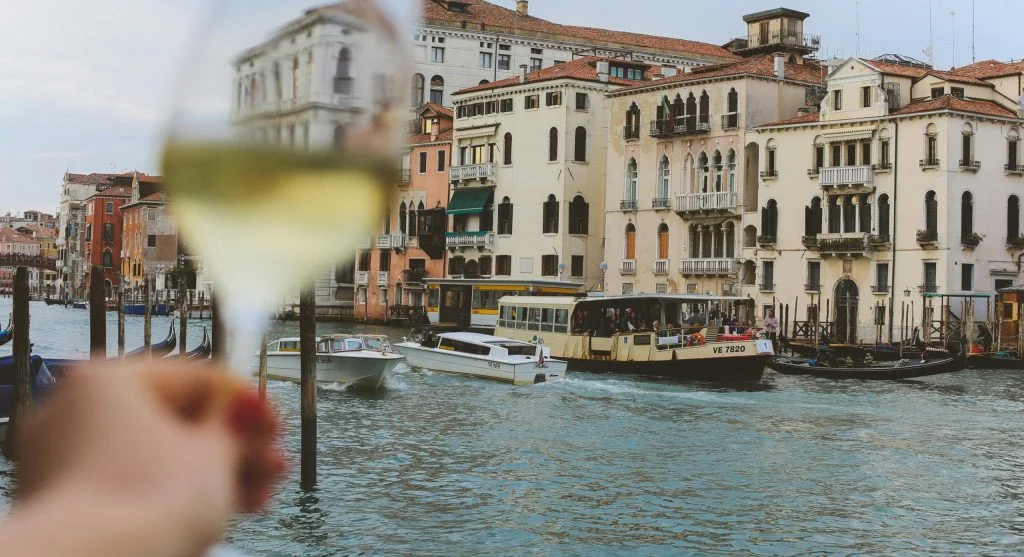
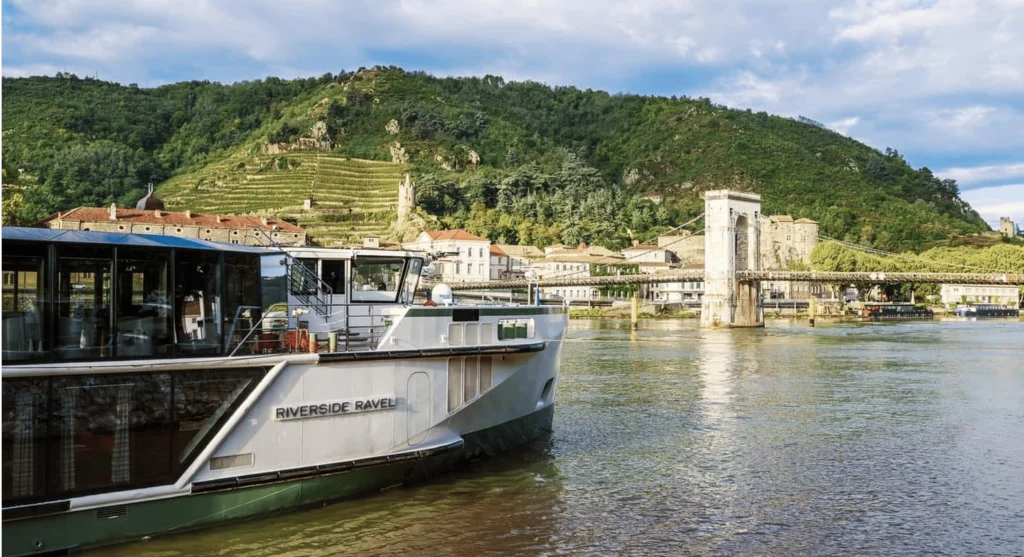
Northern Italy has become increasingly popular for canal wine tours because of its regional cuisine and vineyard landscapes. Waterways near countryside regions allow travelers to experience local culture at a slower pace.
Food tourism researchers explain that Italian wine regions attract travelers interested in combining culinary tourism with scenic travel. Local markets, riverside towns, and vineyard restaurants contribute to the region’s growing popularity.
Luxury travelers also value Northern Italy’s historic architecture and peaceful countryside routes connected to smaller canal systems.
4. The Moselle Valley in Germany Offers Scenic Vineyard Routes
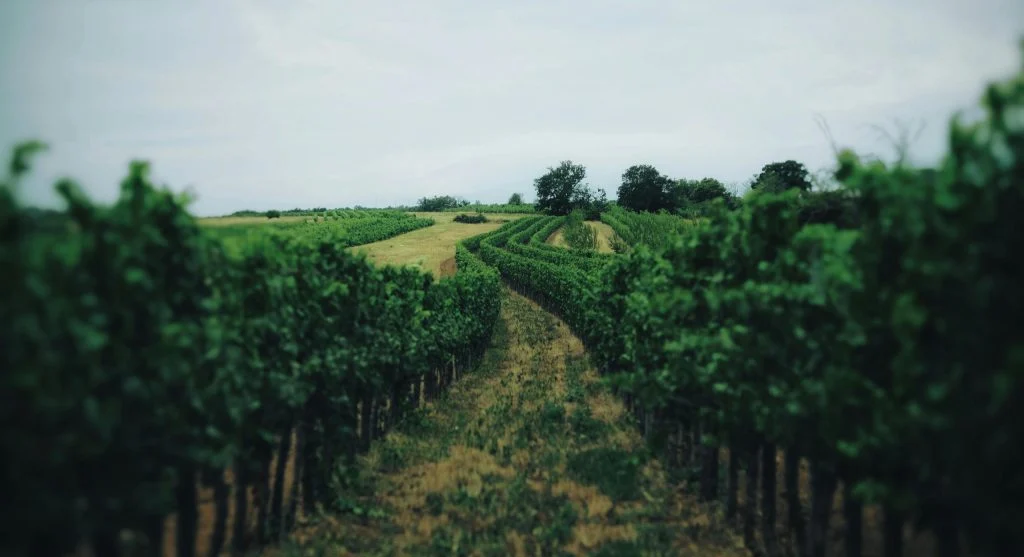
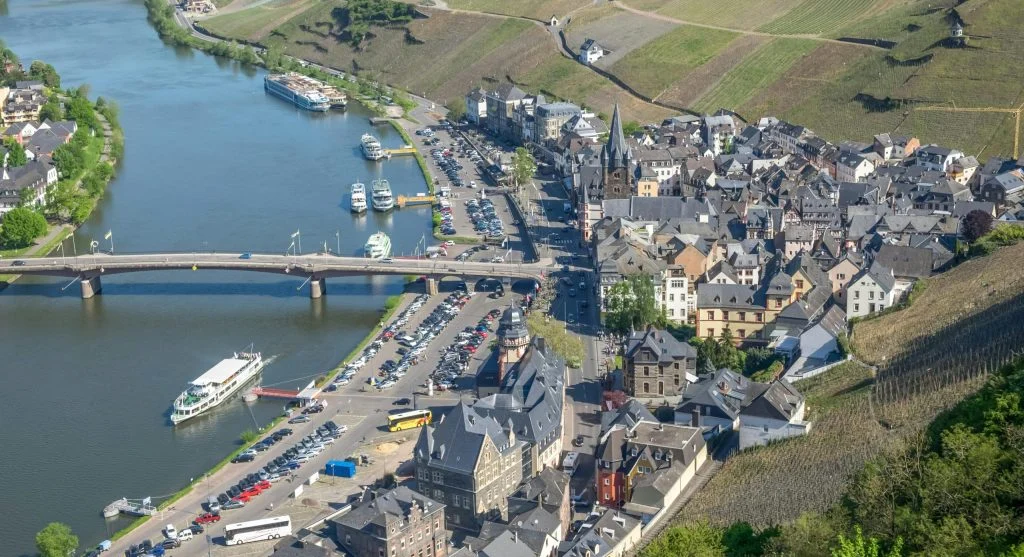
Germany’s Moselle Valley is known for vineyard-covered hillsides and riverside villages. Waterway travel through the region provides panoramic countryside views and access to local wineries.
Tourism specialists explain that scenic wine regions continue attracting travelers interested in photography, nature, and cultural tourism. The Moselle Valley combines all three experiences in a quieter setting than many larger tourism destinations.
Many canal and river travelers also visit historic castles and riverside walking routes while exploring the region.
5. Portugal’s Douro Region Continues Growing in Popularity
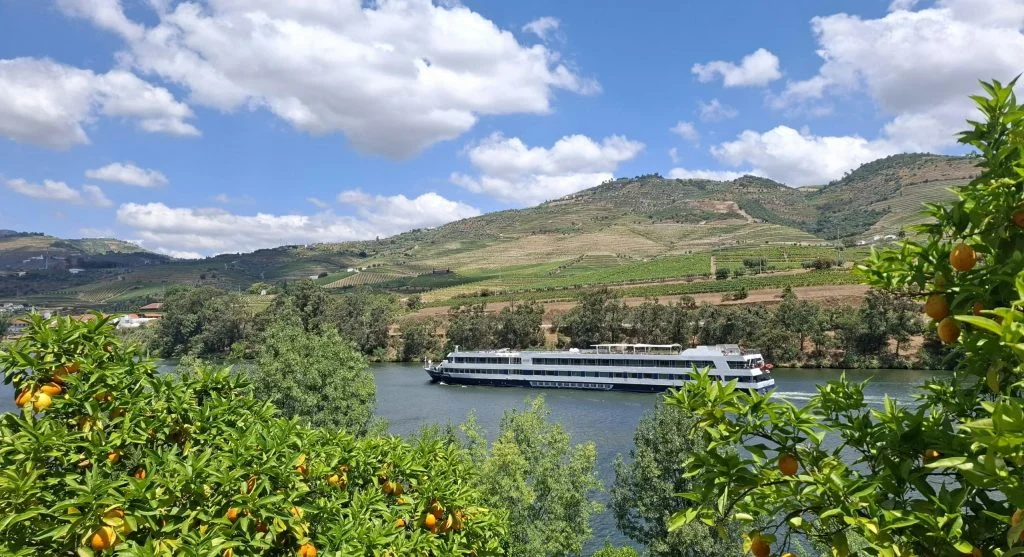
Portugal’s Douro Valley is becoming a major destination for vineyard cruise vacations because of its river scenery and wine-producing landscapes. Travelers often visit the area for local cuisine, terraced vineyards, and scenic countryside views.
Hospitality professionals note that many luxury travelers now prefer destinations focused on regional culture and outdoor scenery rather than crowded tourism districts.
The Douro region also offers warm-weather travel conditions that appeal to visitors interested in outdoor dining and scenic river experiences.
6. Bordeaux Combines Luxury Travel With Historic Wine Culture
Bordeaux remains one of Europe’s best-known wine destinations and continues attracting canal travelers interested in historic vineyards and countryside scenery.
Travel analysts explain that Bordeaux appeals to luxury tourists because of its combination of riverside travel, regional cuisine, and historic architecture. Waterway routes near the region connect travelers with smaller towns and vineyard areas.
Many guests also enjoy food markets, winery tours, and local cultural events throughout the region.
7. Austria’s Wachau Valley Offers Scenic Canal and River Experiences
The Wachau Valley in Austria is known for riverside vineyards, historic villages, and scenic countryside routes along the Danube River.
Outdoor tourism researchers note that travelers increasingly prefer regions combining natural scenery with cultural attractions. The Wachau Valley’s landscapes, walking trails, and vineyard towns create a balanced travel experience.
Luxury canal travel in the region also attracts travelers interested in photography and seasonal countryside scenery.
8. Spain’s Rioja Region Attracts Food and Wine Travelers
Spain’s Rioja region continues gaining attention from travelers interested in regional wine tourism and countryside travel experiences. While not traditionally associated with major canal routes, nearby waterway tourism and vineyard regions continue expanding together.
Food tourism experts explain that Rioja attracts travelers because of local cuisine, vineyard tours, and historic rural communities. Scenic landscapes and warm climate conditions also support outdoor travel experiences.
Many luxury travelers now include vineyard regions like Rioja as part of broader European food and wine travel itineraries.
Frequently Asked Questions
Q: What is luxury canal travel?
A: Luxury canal travel involves small-scale cruises or waterway journeys through scenic regions known for countryside views, local culture, and slower tourism experiences.
Q: Which European wine regions are best for canal travel?
A: Burgundy, Champagne, Bordeaux, the Douro Valley, and Northern Italy are among the most popular destinations for canal wine tours.
Q: Why are vineyard cruise vacations becoming popular?
A: Many travelers prefer vineyard cruises because they combine food tourism, scenic travel, and relaxing countryside experiences.
Q: Are canal wine tours suitable for slow tourism travelers?
A: Yes. Canal wine tours focus on smaller groups, local culture, scenic landscapes, and slower travel schedules.
Key Takeaway
Luxury canal travel continues growing across Europe because travelers increasingly value scenic countryside routes, local food culture, and vineyard tourism experiences. Wine-producing regions such as Burgundy, Champagne, Bordeaux, and the Douro Valley combine waterway travel with historic villages and regional dining. As slow tourism and culinary travel trends continue expanding, vineyard cruise vacations are expected to remain popular among luxury travelers.