Floating luxury hotels are becoming more popular as travelers search for slower and more scenic travel experiences. Unlike traditional hotels located in busy city centers, these waterfront accommodations provide peaceful surroundings, water views, and smaller guest environments that many travelers now prefer.
Travel industry researchers explain that modern tourism trends increasingly focus on comfort, privacy, and local experiences. Floating hotel travel combines accommodation and scenery in a single experience, allowing guests to stay close to nature, waterways, and historic destinations without crowded tourism conditions.
Floating Luxury Hotels Offer a Different Travel Experience
One reason floating luxury hotels continue growing in popularity is the unique atmosphere they provide. Guests stay directly on rivers, canals, lakes, or marinas instead of traditional urban hotel locations.
Hospitality experts note that many travelers now prioritize experiences over standard accommodations. Floating hotels often create a more peaceful environment because of smaller guest capacity and slower surroundings.
Unlike large resorts, floating properties are usually designed around comfort, scenic views, and local culture. Many travelers choose these accommodations specifically to enjoy quiet waterfront settings and slower travel schedules.
Luxury Waterfront Stays Support Slow Tourism Trends
Slow tourism has become an important trend across the travel industry. Travelers increasingly prefer spending more time in fewer locations while focusing on meaningful local experiences.
Luxury waterfront stays fit this trend because they encourage relaxation rather than fast-paced sightseeing schedules. Guests often spend time enjoying riverside dining, scenic walks, countryside views, and local cultural attractions.
Tourism specialists explain that floating hotel travel also reduces the need for constant transportation changes. Many floating accommodations remain close to major attractions while still offering peaceful surroundings.
Scenic Hotel Experiences Attract Photography and Nature Travelers
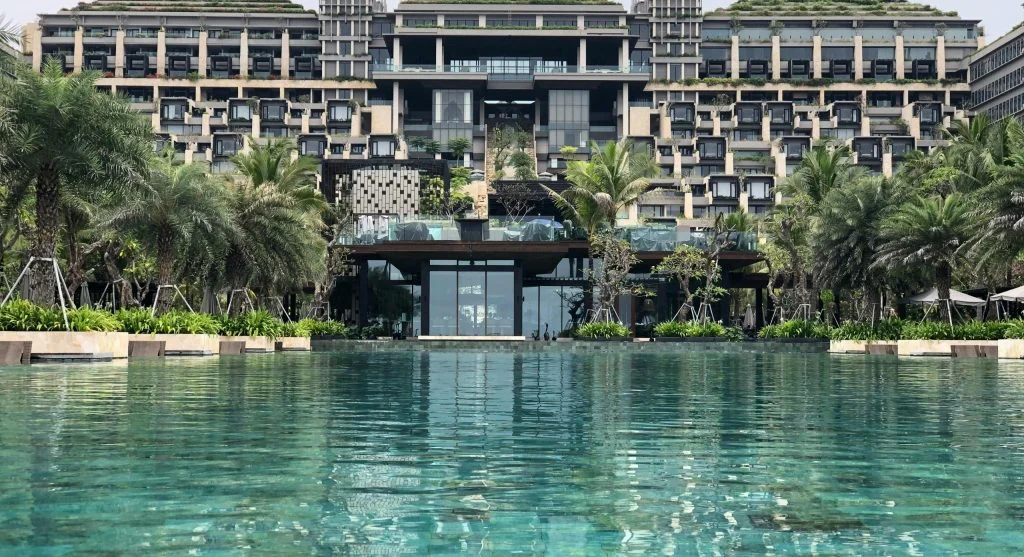
Floating hotels often provide direct access to waterfront scenery that traditional accommodations cannot offer. Guests may wake up to river views, countryside landscapes, historic canals, or marina environments.
Outdoor tourism researchers explain that scenic travel experiences continue influencing booking decisions across the luxury travel industry. Travelers increasingly seek accommodations connected to natural surroundings rather than heavily crowded tourism districts.
Many floating luxury hotels are located near outdoor attractions including walking routes, vineyards, cycling paths, and nature reserves. This combination appeals to travelers interested in photography, outdoor recreation, and peaceful vacations.
Smaller Guest Capacity Creates a More Private Atmosphere
Another reason floating luxury hotels attract travelers is their smaller scale. Many floating accommodations host fewer guests compared to large hotels or resorts.
Hospitality professionals explain that smaller guest environments often create quieter experiences with more personal service. Travelers interested in privacy and comfort frequently choose boutique-style accommodations over larger tourism properties.
Floating hotel travel also appeals to guests looking for reduced crowd levels. Smaller properties may provide quieter dining spaces, outdoor seating areas, and slower daily schedules.
Historic Waterways Add Cultural Appeal
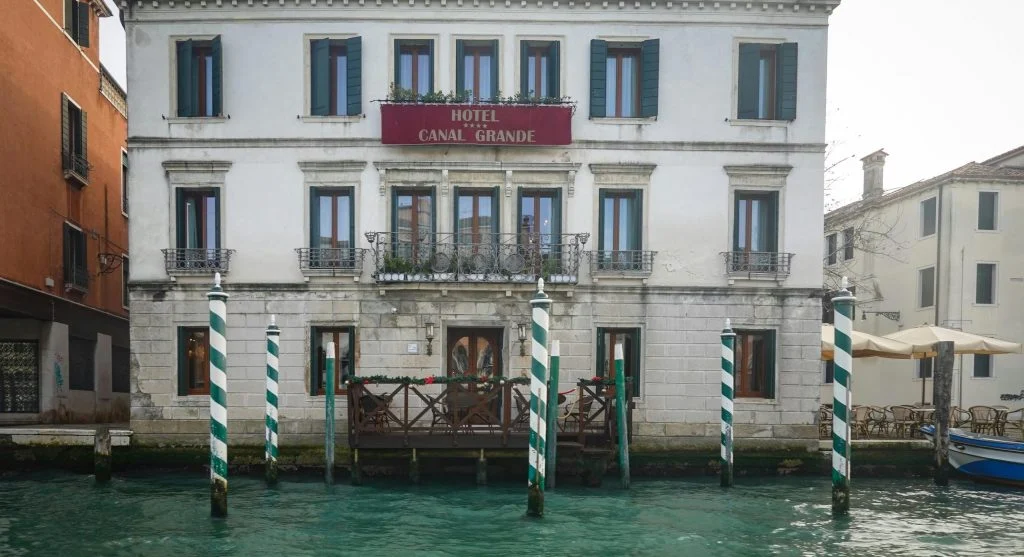
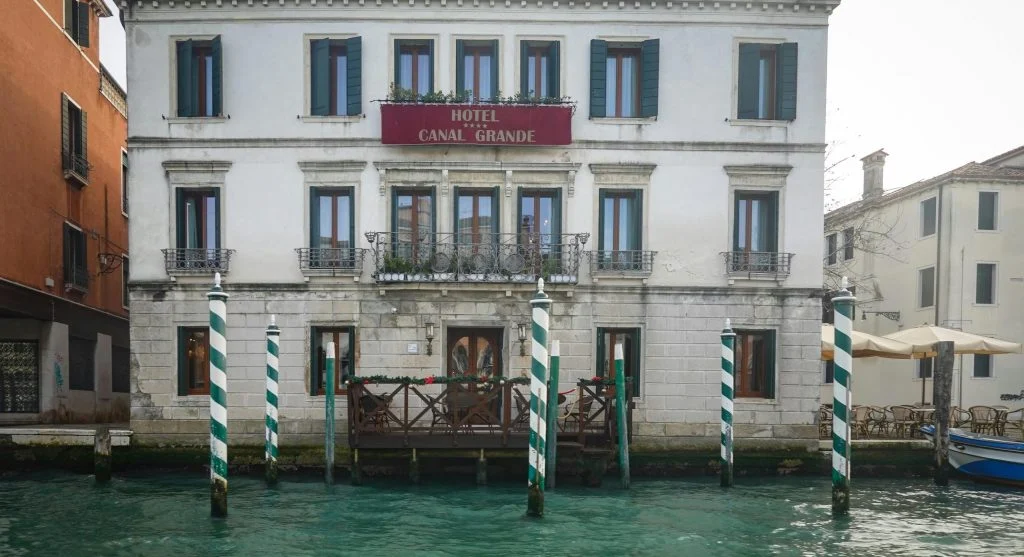
Many floating luxury hotels are located near historic waterways and cultural landmarks. European canal systems, riverside towns, and marina districts often include historic architecture, local markets, and traditional restaurants.
Travel experts note that guests increasingly value accommodations connected to local culture and regional identity. Floating hotels allow visitors to stay near cultural attractions while maintaining a peaceful travel environment.
In countries such as France, Italy, Belgium, and the Netherlands, floating accommodations are frequently connected to canal tourism and countryside travel routes. These regions continue attracting travelers interested in combining luxury stays with local experiences.
Floating Hotel Travel Continues Expanding Across Europe
Floating hotel travel continues growing across several European destinations. Canal regions in France, waterfront cities in the Netherlands, and countryside river locations in England and Scotland are seeing increased demand for unique accommodation experiences.
Tourism analysts explain that travelers increasingly search for alternatives to standard hotel experiences. Floating accommodations provide scenic surroundings and memorable travel settings that stand out from traditional lodging options.
Many floating hotels also focus on sustainability, local tourism partnerships, and smaller-scale hospitality operations. This aligns with growing traveler interest in environmentally conscious tourism and regional travel experiences.
Seasonal Travel Makes Floating Hotels More Appealing
Seasonal tourism also contributes to the popularity of floating luxury hotels. Spring and summer often attract travelers interested in outdoor dining, canal walks, and countryside scenery, while autumn brings vineyard visits and seasonal landscapes.
Travel planners note that waterfront accommodations create different experiences throughout the year. Seasonal festivals, harvest periods, and changing scenery often influence booking trends.
Many guests return to floating hotels during different seasons because waterway destinations can feel unique depending on weather, local events, and regional tourism activities.
Frequently Asked Questions
Q: What are floating luxury hotels?
A: Floating luxury hotels are premium accommodations located on rivers, canals, lakes, or marina waterways that provide scenic and relaxing travel experiences.
Q: Why are floating hotel experiences becoming more popular?
A: Travelers increasingly prefer peaceful accommodations, smaller guest environments, and scenic hotel experiences connected to nature and local culture.
Q: Which countries are known for floating hotel travel?
A: France, the Netherlands, Italy, England, and Scotland are among the popular destinations for floating luxury hotel experiences.
Q: Are floating luxury hotels suitable for slow tourism?
A: Yes. Floating hotels support slow tourism because they focus on relaxation, local experiences, and scenic travel rather than fast-paced sightseeing schedules.
Key Takeaway
Floating luxury hotels continue attracting travelers because they combine scenic surroundings, smaller guest environments, and relaxing waterfront experiences. Many travelers now prefer accommodations connected to slow tourism, local culture, and peaceful travel settings instead of crowded city hotels. As scenic hotel experiences continue growing across Europe, floating accommodations are expected to remain an important trend in luxury travel.